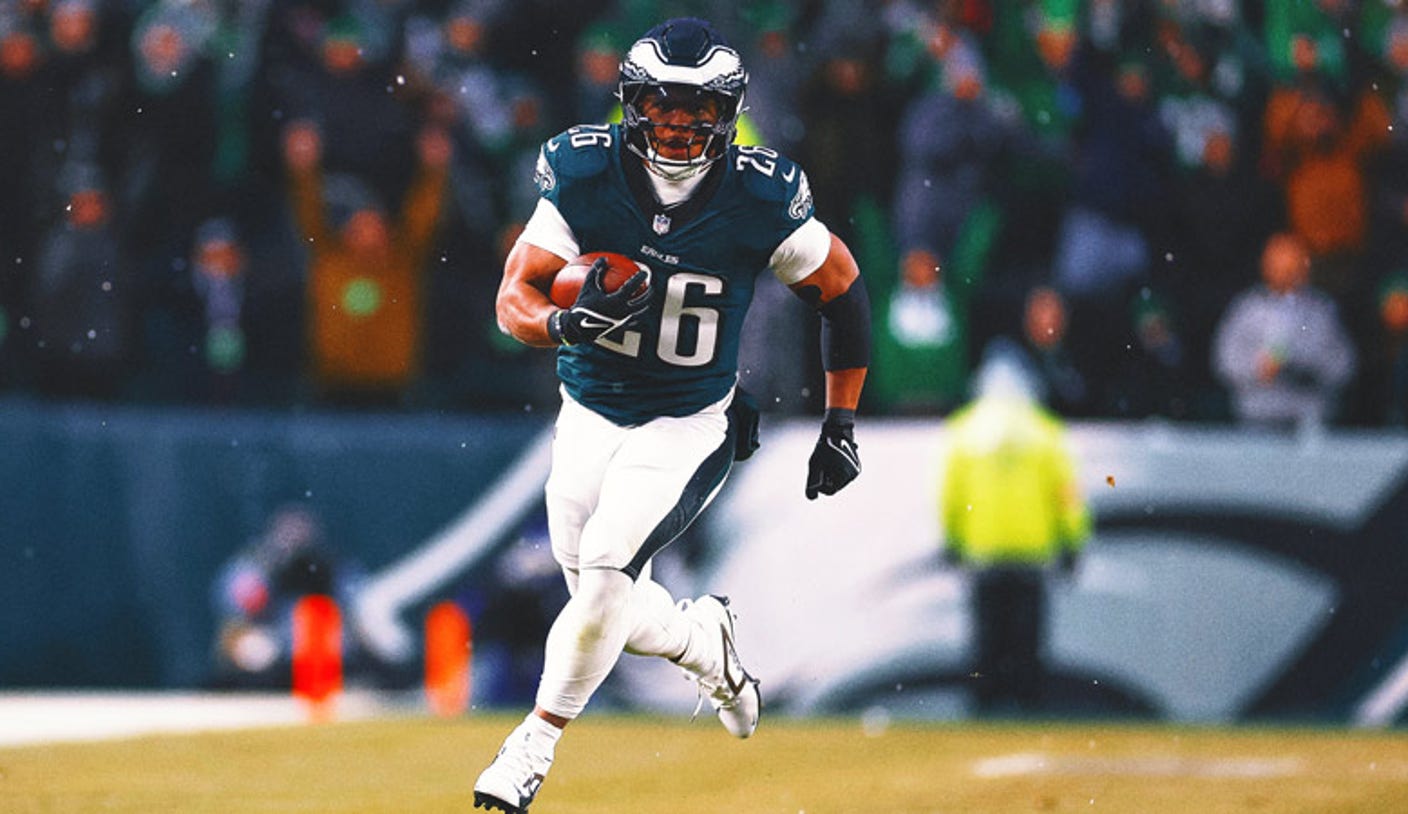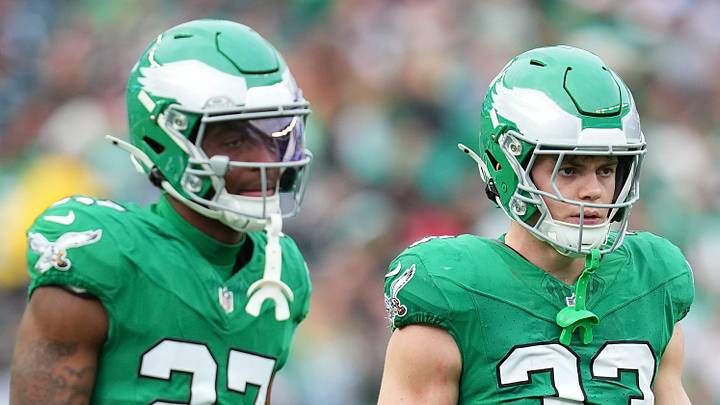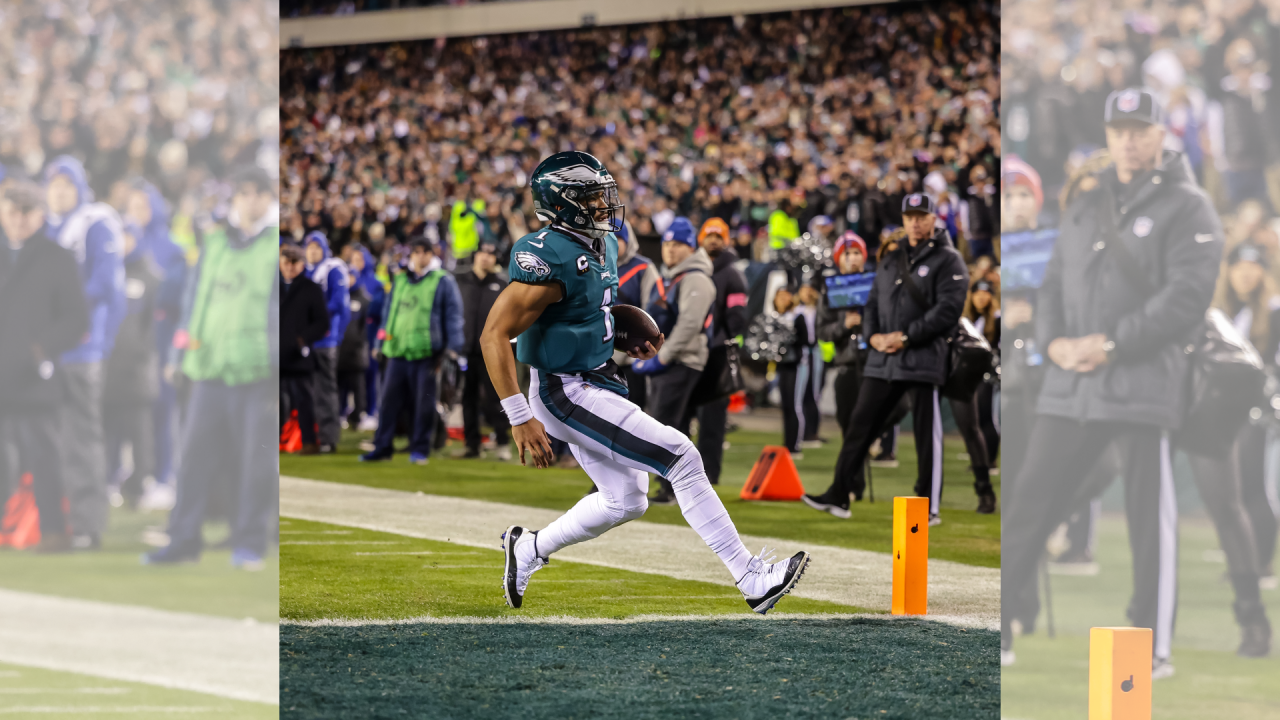
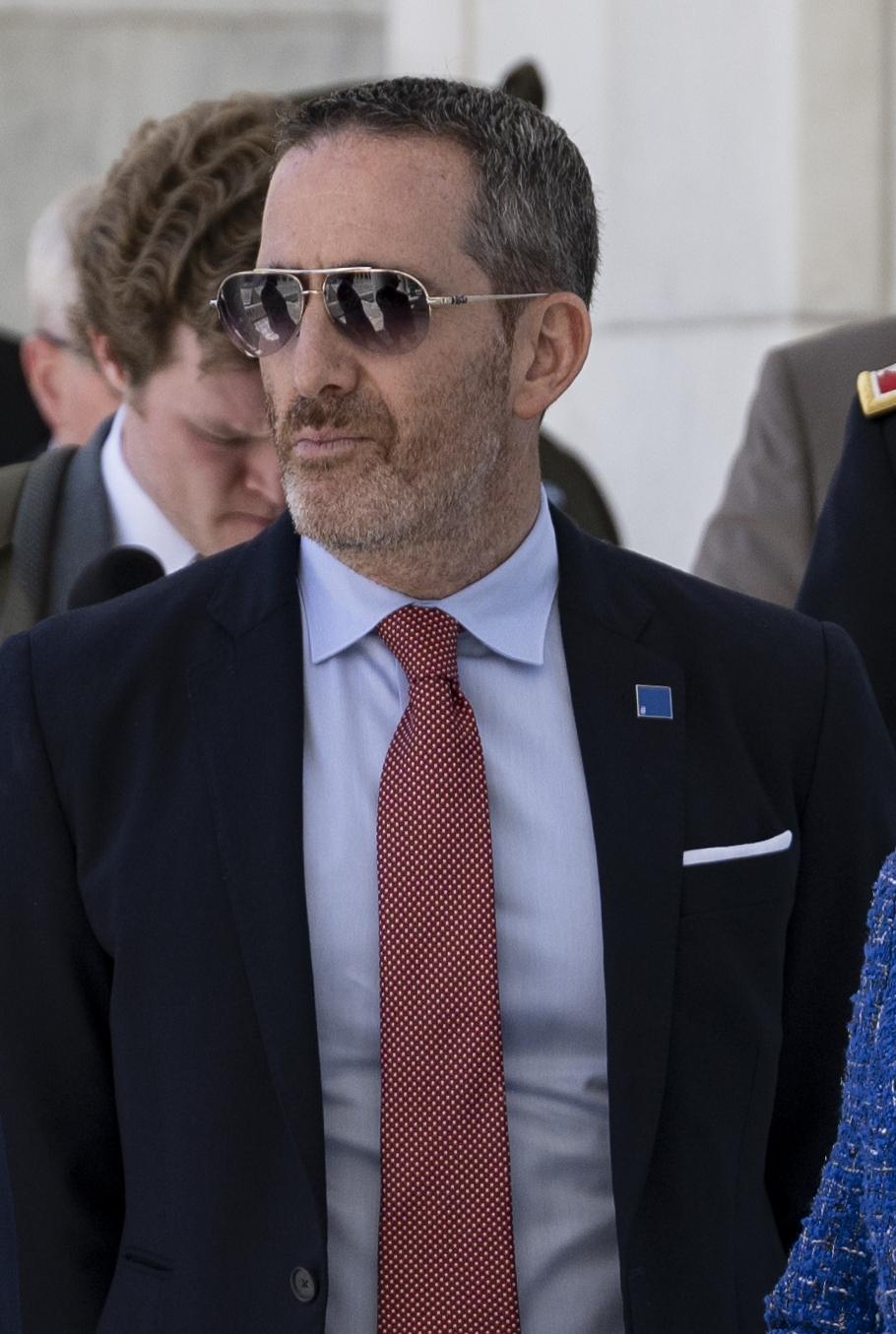
Howie Roseman is the longest-tenured general manager in the NFL. He has been the chief decision-maker for the Philadelphia Eagles since 2010 (with a one-year sabbatical in 2015 when Chip Kelly took over personnel). In that time he has built two Super Bowl champion rosters (LII in 2017 and LIX in 2024), traded for franchise-altering pieces (A.J. Brown, Saquon Barkley), drafted into greatness (Lane Johnson, Jalen Hurts, DeVonta Smith, Jordan Mailata, Cam Jurgens, Cooper DeJean), and survived enough mid-season firings (Doug Pederson, Frank Reich's NFC Championship offensive coordinator turn) to learn most of the lessons there are to learn at his position.
The 2026 offseason is the most active single window of his entire tenure.
Here is the case for that claim, the comparison to his other big offseasons, and the risk profile of what he just built.
The 2026 Offseason Ledger
Within a single calendar window (roughly January through June 2026), Roseman has done the following:
Traded a 3-time Pro Bowl wide receiver (A.J. Brown) for a 2028 first-round pick and a 2027 fifth-round pick, ending a 4-year run as the franchise's WR1.
Signed a 26-year-old 6-foot-4 cornerback (Riq Woolen) on a 1-year, $12 million prove-it deal that gives the defense a third Pro-Bowl-caliber CB.
Acquired a former Pro Bowl pass rusher (Jonathan Greenard) via trade with the Vikings, immediately giving Vic Fangio his top-end EDGE for the post-Brandon Graham era.
Hired a new offensive coordinator (Sean Mannion from Green Bay) and let him build his own coaching staff (Ryan Mahaffey at run game / TE, Chris Kuper at OL, Josh Grizzard at passing game).
Drafted a Heisman runner-up wide receiver (Makai Lemon at #20 overall) and made it the highest WR pick of his GM career.
Signed late-stage veteran depth (DE A.J. Epenesa, OG Michael Jordan, RB Elijah Mitchell, all in June after the predictable post-minicamp churn).
Renewed Dallas Goedert for a 9th season after Goedert tested free agency.
Allowed safety Reed Blankenship to sign with Houston for $24.75M over 3 years rather than match, opening a meaningful position competition.
Plus the still-ongoing Jalen Carter extension situation, which will define the second half of the offseason.
How This Compares to His Other Big Offseasons
Roseman has had three other offseasons that, in their moment, looked like the biggest of his tenure. The comparison:
2017 (The Pre-Super-Bowl Aggression)
What he did: Traded for Ronald Darby. Signed Alshon Jeffery and Torrey Smith in free agency. Drafted Sidney Jones, Rasul Douglas, Donnel Pumphrey, Mack Hollins. Traded for Jay Ajayi at the deadline. The 2017 offseason and in-season moves transformed a 7-9 team into a Super Bowl champion.
Compared to 2026: The 2017 moves were largely targeted at single positions of need (WR depth, CB depth, RB1 addition). The 2026 moves are spread across every position group and include both subtractions and additions, plus a coaching overhaul. By scope, 2026 is bigger. By result, 2017 produced a parade. We'll see what 2026 produces.
2022 (The A.J. Brown Trade Spring)
What he did: Traded for A.J. Brown on draft night, gave up the #18 overall pick. Drafted Jordan Davis at #13 and Cam Jurgens in the second round. Signed James Bradberry and Haason Reddick. Re-signed Lane Johnson. Hired Shane Steichen as OC.
Compared to 2026: The 2022 trade for Brown was the single biggest move of the era, but the surrounding work was less wide-reaching than 2026. Coaching staff was mostly held over from 2021. Two huge additions (Brown and Reddick) but most of the rest was internal continuity.
2024 (The Saquon Barkley Strike)
What he did: Signed Saquon Barkley as a divisional rival's franchise back walking in free agency. Hired Kellen Moore as OC and Vic Fangio as DC simultaneously. Drafted Quinyon Mitchell and Cooper DeJean (a stunning haul of two future All-Pros in one class). Signed Bryce Huff. Made big edge changes.
Compared to 2026: 2024 was probably the most consequential single offseason in Roseman's tenure in terms of outcome (it produced the Super Bowl). The moves were perfectly aimed at the championship window. 2026 is broader (more positions touched), but 2024 was higher-leverage per move because the team was 11-6 heading in and needed specific upgrades to get over the top.
What Makes 2026 Unique
Three things separate 2026 from his other big windows.
1. The simultaneous offense reset. The 2017, 2022, and 2024 offseasons all kept the offensive identity stable. The 2026 offseason changed the WR1, hired a new OC, hired a new OL coach, and let the OC bring his own staff. The offense in September 2026 will look philosophically different from the offense in January 2026. That has not happened in any prior Roseman offseason.
2. The defensive depth investment. The 2024 defense was built with star quality (Carter, Mitchell, Baun, Williams). The 2026 defense layered on depth (Greenard, Woolen, Epenesa, Bernard) on top of the existing star core. That is a different roster-construction philosophy: spend on depth rather than chase another top-end star.
3. The simultaneous coaching overhaul. Mannion plus Mahaffey plus Kuper plus Grizzard plus Jerrod Johnson plus a new TE coach is the largest single-offseason coaching staff turnover of Roseman's GM tenure. The 2024 hire of Fangio was a bigger individual hire, but the 2026 staff is a bigger total turnover.
The Risks Roseman Took
Trading A.J. Brown: The Eagles are betting that Smith-Lemon-Wicks combined production beats Brown-Smith production, and that the cap space and draft capital are worth more than the proven star. This is the single most reversible-looking decision in the offseason if Smith does not handle the WR1 load.
The Greenard contract: Greenard signed a 4-year, $76M deal that pays him $19M per year on average. That is fair-market for a top-15 EDGE, but it is the kind of deal that ages quickly if the player declines. Greenard has had two 10-sack seasons in his career. The Eagles are betting on more.
The Mannion hire: Mannion has never been an NFL offensive coordinator before. He was the Packers' QB coach. The Eagles are betting on his philosophy and his ability to execute it for the first time in his career, with a Super Bowl-MVP QB and a roster of stars.
The Carter extension situation: If Roseman lets this drag into training camp without a deal, the locker room and the national media will both become factors. The pressure to pay top-of-market money to a 23-year-old with off-field history is real, and the consequences of getting it wrong (either overpaying or losing him) are large.
The Roseman Pattern
Across 16 years as GM, Roseman has shown a consistent pattern: he is most aggressive when the team is in or near the championship window. He was aggressive in 2017 (post-rookie Wentz), in 2022 (post-Hurts development), in 2024 (post-Eagles-roster-rebuild). He was conservative in 2018 (post-Super-Bowl maintenance), 2019, 2020 (the Carson Wentz contract aftermath).
The 2026 offseason fits the aggressive pattern. He is operating like a GM who believes his team is in a Super Bowl window right now, before Hurts's contract gets fully renegotiated, before Mitchell and DeJean need extensions, before Carter's deal eats more of the cap.
That window is real. The defense has its core young pieces under team control through at least 2027. Hurts is signed through 2028. The offensive line is intact for the next two years. The next 24 months are the prime championship window.
Roseman is treating this offseason like he knows it.
The Verdict
The 2026 offseason is, by total roster moves and by scope of coaching change, the most aggressive single offseason of Howie Roseman's career. It might not produce the highest-leverage result (that distinction probably stays with 2024 unless 2026 wins a Super Bowl). But it is the most active, the most ambitious, and the most philosophically transformative window he has ever had.
The question is whether the aggressiveness pays off in January and February 2027. The defensive depth bets need to hit. The Mannion offense needs to install fluently. The Carter situation needs to resolve cleanly. The Smith-as-WR1 narrative needs to produce.
If those four things go right, the 2026 Eagles are a top-three Super Bowl favorite. If two of them go wrong, the 2026 season is a transitional year and the next big chance is 2027.
Roseman bet on the former. The next nine months tell us if he was right.