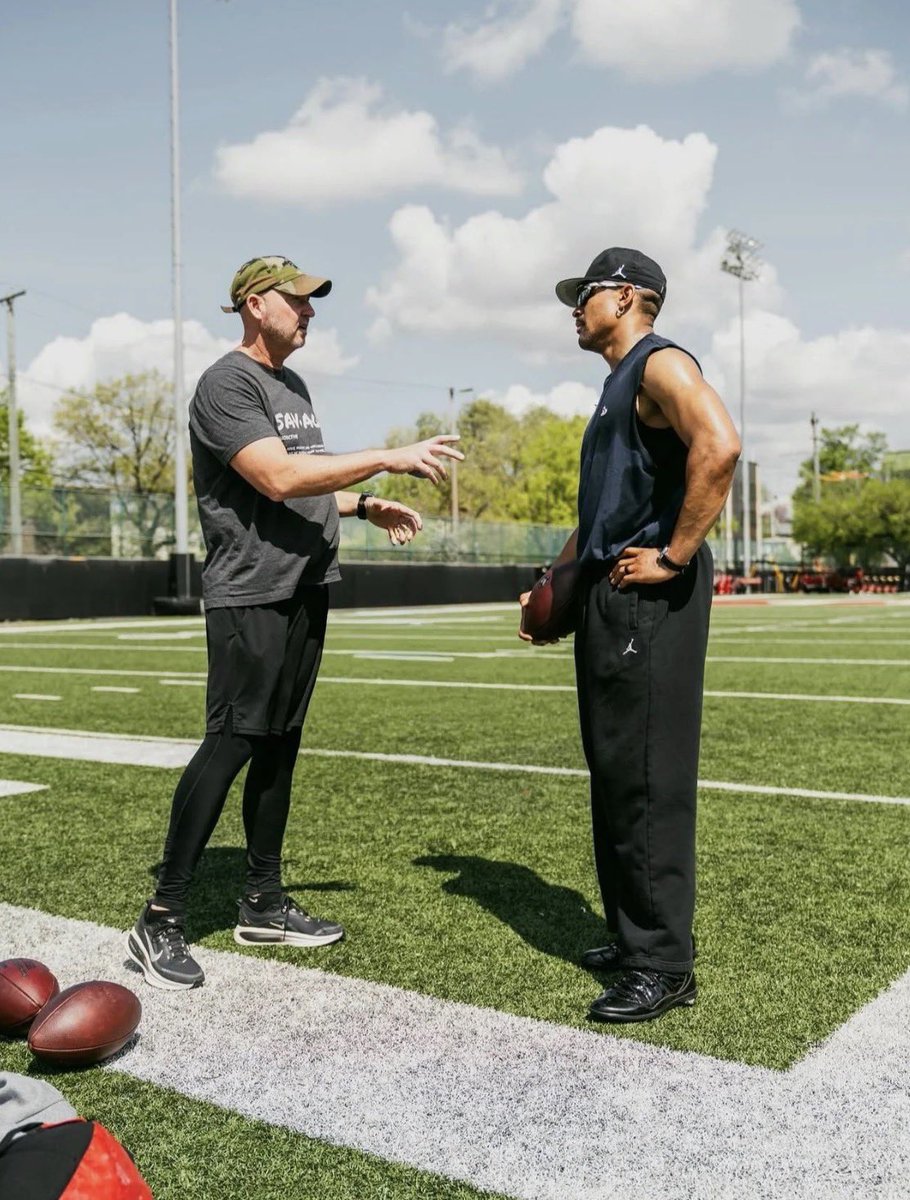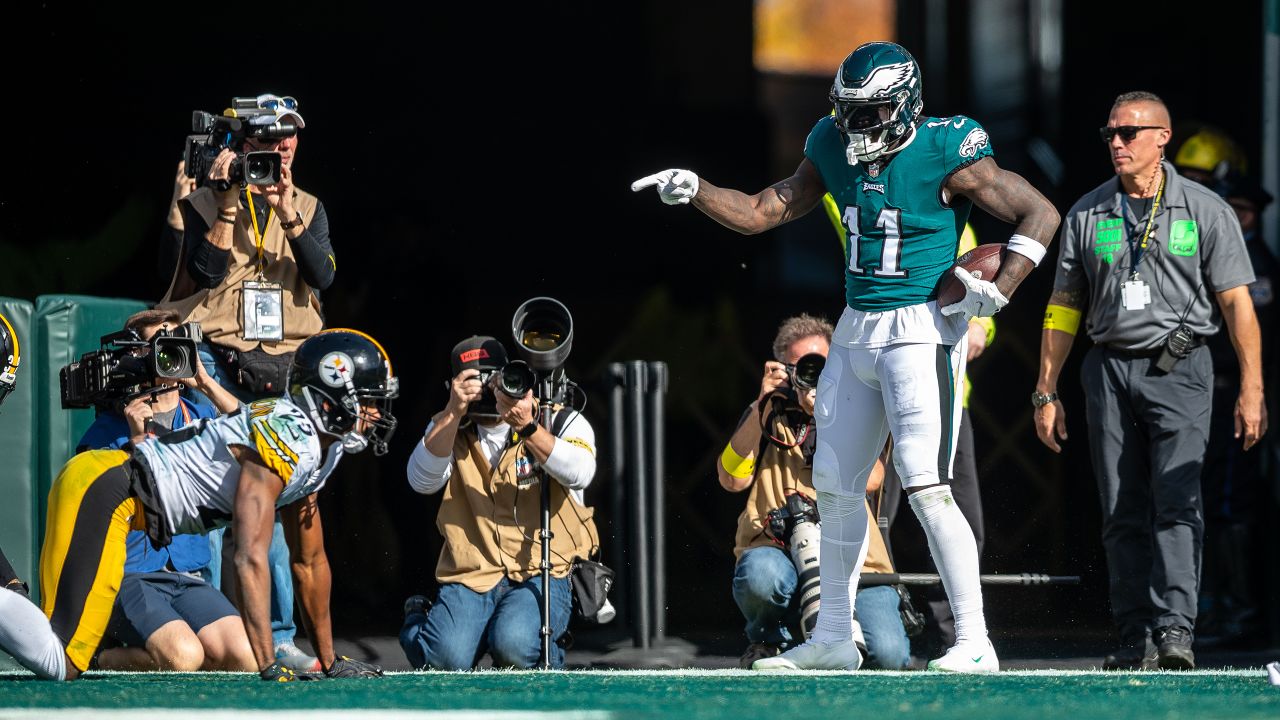
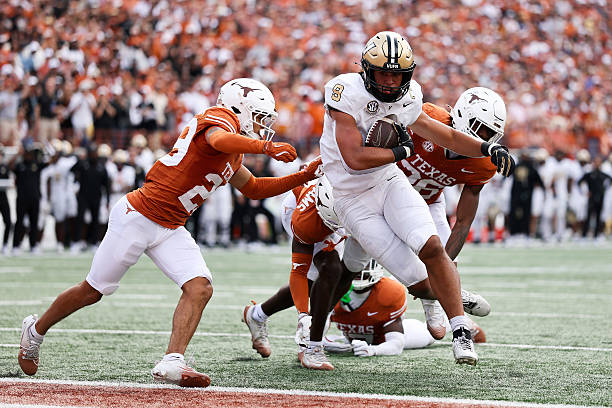
There has been plenty of offseason chatter about Eli Stowers and his versatility. Could he line up as a slot receiver? Could the Eagles use him in motion as a hybrid weapon? Should they get creative with his pre-snap alignments? The Eagles' second-round pick addressed it head-on during rookie minicamp.
A Tight End First
"I view myself as a tight end," Stowers said definitively. While he acknowledged his receiving talent and the possibility of being used in different roles, he made clear where he sees himself fitting in long-term. He wants to be a complete tight end, not a positionless skill player.
That answer matters more than it might sound. For a Mackey Award winner with his receiving production, the temptation in the modern NFL is to over-design a role: split him out wide on every third down, use him as a quasi-wide receiver, dilute his blocking development to maximize early-career receiving numbers. Stowers said no. He wants the in-line work. He wants to block. He wants to be a tight end the way Dallas Goedert is a tight end.
Wearing 87
The number choice tells the same story. Stowers will wear #87 in 2026. The number has carried tight-end identity for decades in the NFL, worn by a long line of productive players at the position. For a rookie tight end actively pushing back against being called a hybrid, wearing 87 is a deliberate signal of identity.
The Tight End Room
The Eagles' 2026 tight end depth chart is in good hands at the top:
- Dallas Goedert (TE1): Still one of the most reliable tight ends in football, signed through the back half of his prime.
- Grant Calcaterra (incumbent TE2): A trusted in-line and route-running option for two-tight-end packages.
- Eli Stowers (rookie): The long-term TE1 in development, Mackey Award winner, NFL Combine record holder among tight ends in the speed and explosion testing.
- Jaheim Bell (TE4/H-back): Roster carryover with H-back versatility.
The Eagles run 12-personnel (two tight ends) on roughly a third of their offensive snaps under Nick Sirianni. That means the TE2 in this offense is essentially a starter, not a backup. Whoever wins the No. 2 reps in OTAs has a meaningful role waiting for them in September.
Why Patience Matters
Rookie tight ends are notoriously slow to develop. The position requires reading defenses, learning protection assignments, executing in-line blocking against NFL edge rushers, and running a full route tree against safeties and linebackers. Even players who put up monster college numbers (like Kyle Pitts, who had a 1,000-yard rookie season but plateaued thereafter) often need two or three seasons to put it all together.
The Eagles do not need Stowers to be a Week 1 starter. Goedert is here. Calcaterra has earned trust. The plan is patience: let Stowers earn snaps as a third tight end in 12-personnel and red-zone packages while he learns the blocking fundamentals that will define his career.
The Bottom Line
The most underrated quality in a young player is self-awareness about position fit. Stowers could have leaned into the "I am positionless" branding that has become trendy in the NFL. He did the opposite. He said: I am a tight end. I want to play tight end. I will block and catch and do the work.
That is the answer Eagles coaches wanted to hear. It is also exactly the kind of player development the franchise has done well for years.